Site Control for Unbonded Prestressing Operations
A practical approach to stressing readiness, equipment calibration, jack alignment, force-and-elongation control and anchorage protection for unbonded tendons.
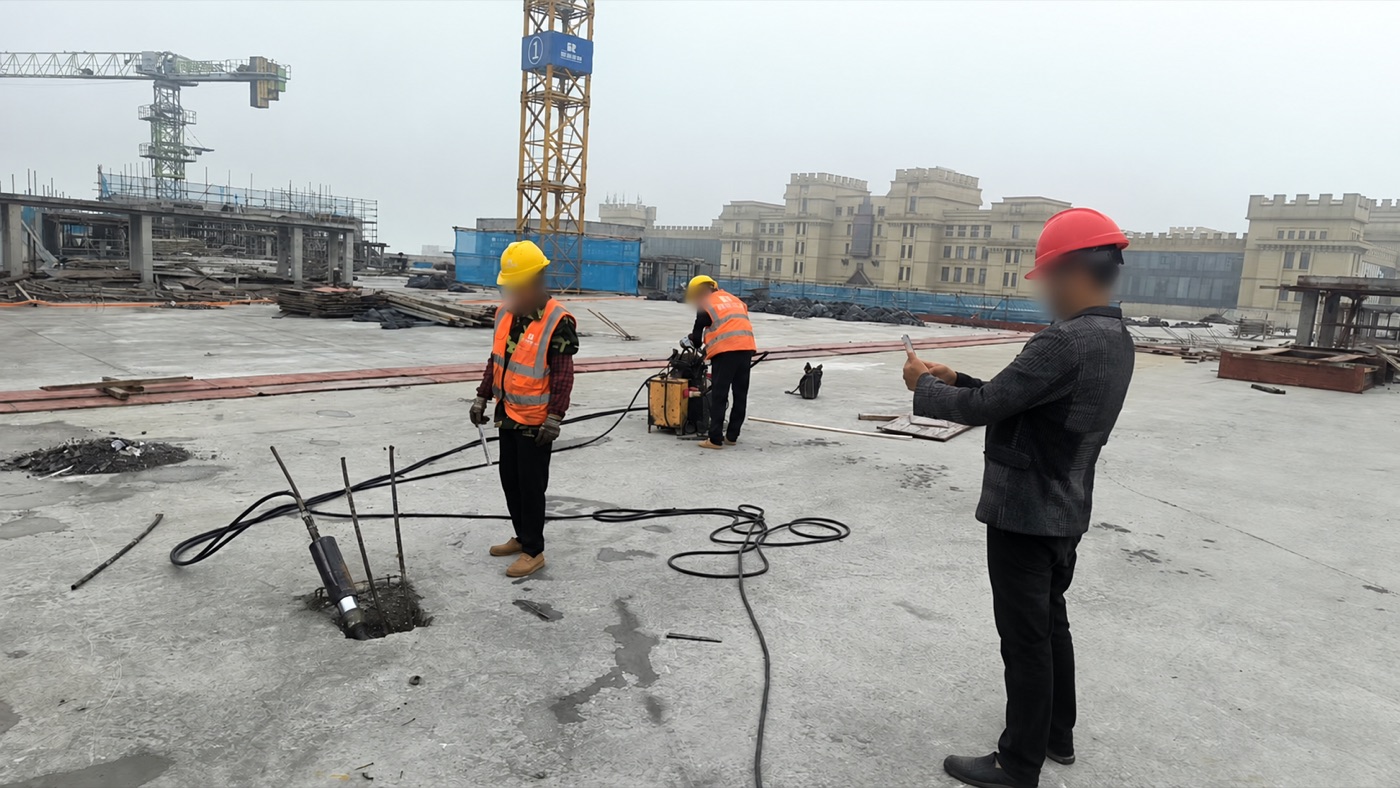
Confirm readiness before stressing
Before stressing, confirm that concrete strength satisfies the approved method, the stressing sequence is defined, and tendon identifiers, stressing ends and calculated elongations correspond. The jack, pump and pressure gauge must have valid matched calibration, and the site conversion relationship must agree with the recording sheet.
Jack alignment and anchorage checks
Before installing the jack, inspect the stressing end, anchorage and exposed strand condition. The tool anchorage, permanent anchorage and tendon axis should remain aligned. Significant eccentricity can increase local friction and measurement uncertainty while raising anchorage-zone and operational risks.
Control both force and elongation
Apply load in stages under the approved procedure, recording pressure and corresponding elongation at each stage and comparing them with calculated values. Neither final pressure alone nor a single elongation reading is sufficient. Repeated deviation, strand slip, unusual sound or anchorage-zone distress requires a pause and project-specific review. Acceptance limits follow the applicable standard and approved method.
Safe working zone and process witnessing
Establish a controlled zone along the stressing-end axis and keep personnel clear of potential recoil paths. Arrange hydraulic hoses, couplings and power leads to prevent crushing, sharp bends and trip hazards. Designated personnel should verify and record critical steps rather than relying on verbal confirmation.
Anchorage completion and long-term protection
Unbonded tendons do not rely on duct grouting to develop bond. Their long-term performance depends more directly on sheath continuity, anchorage reliability and end protection. After stressing acceptance, exposed strand, anchorage pockets and corrosion sealing should be completed to the approved detail, with pressure, elongation, seating or slip and anomaly records retained.
Discuss an engineering issue